




Ha Young appeared on KBS2’s Problem Child in House on August 7 to promote the Netflix original series Our Sticky Love. During the program, she revealed that her great-grandfather had studied Western medicine in Japan before opening a medical practice in Hanyang. She also shared that her grandfather, father and older sister had followed the family’s medical tradition, making hers a fourth-generation family of doctors.
Following the broadcast, speculation spread online that Ha Young’s great-grandfather was Ahn Sang Ho. The historical figure has been accused of cooperating with Japan’s assimilation policies during the late Joseon period and Japanese colonial era, and he was also associated with allegations surrounding the alleged poisoning of Emperor Gojong.

As the controversy grew, Ha Young’s agency, BISTUS Entertainment, told multiple Korean media outlets on August 10 that Ahn Sang Ho was indeed Ha Young’s great-grandfather. However, the agency initially insisted that the allegations circulating online about his activities were “not true.” As records supporting claims about Ahn Sang Ho’s pro-Japanese activities subsequently emerged, the controversy continued. On August 11, Ha Young reversed the earlier position through her agency, confirming that historical records do exist showing her great-grandfather’s name on the list of council members of the Daejeong Chinmokhoe, a pro-Japanese organization, in 1916. She apologized for causing confusion with the agency’s premature statement that the allegations were unfounded without sufficient verification.
Actress Lee Ji Ah faced a similar controversy last year after reports emerged that her father was involved in a dispute with relatives over approximately 35 billion won worth of land once associated with her grandfather, Kim Soon Heung, who had been identified as a pro-Japanese figure.

In 2011, a media report revealed that Lee Ji Ah was the granddaughter of the late Kim Soon Heung. According to the report at the time, Kim accumulated wealth as a silk merchant in Jongno, Seoul, toward the end of the Japanese colonial period. He later donated land in Pyeongchang-dong to Seoul Arts High School in 1976 and served in positions including a board role at Jeil High School, the predecessor of Kyunggi High School, as well as a board position at Ewha Educational Foundation. Following the report, claims circulated online that Kim Soon Heung was listed in a pro-Japanese historical registry.
After the controversy emerged, Lee Ji Ah addressed the issue through her agency BH Entertainment. She said that she had been estranged from her parents for more than a decade because of complicated family circumstances and emphasized that she had little knowledge of, or involvement in, the dispute over the family property. She also stated that such actions could not be justified regardless of the historical circumstances and expressed her belief that any property acquired during the Japanese colonial period through such activities should ultimately be returned to the state. Her direct response received considerable praise from the public.
Actor Kang Dong Won also faced a “pro-Japanese descendant” controversy in 2017. The issue arose after he had previously described his maternal great-grandfather’s activities as “art” in an interview. It was subsequently reported that his maternal great-grandfather was Lee Jong Man, a figure accused of collaborating with Japan and who accumulated wealth through industries including gold mining, mining and education during the colonial era.
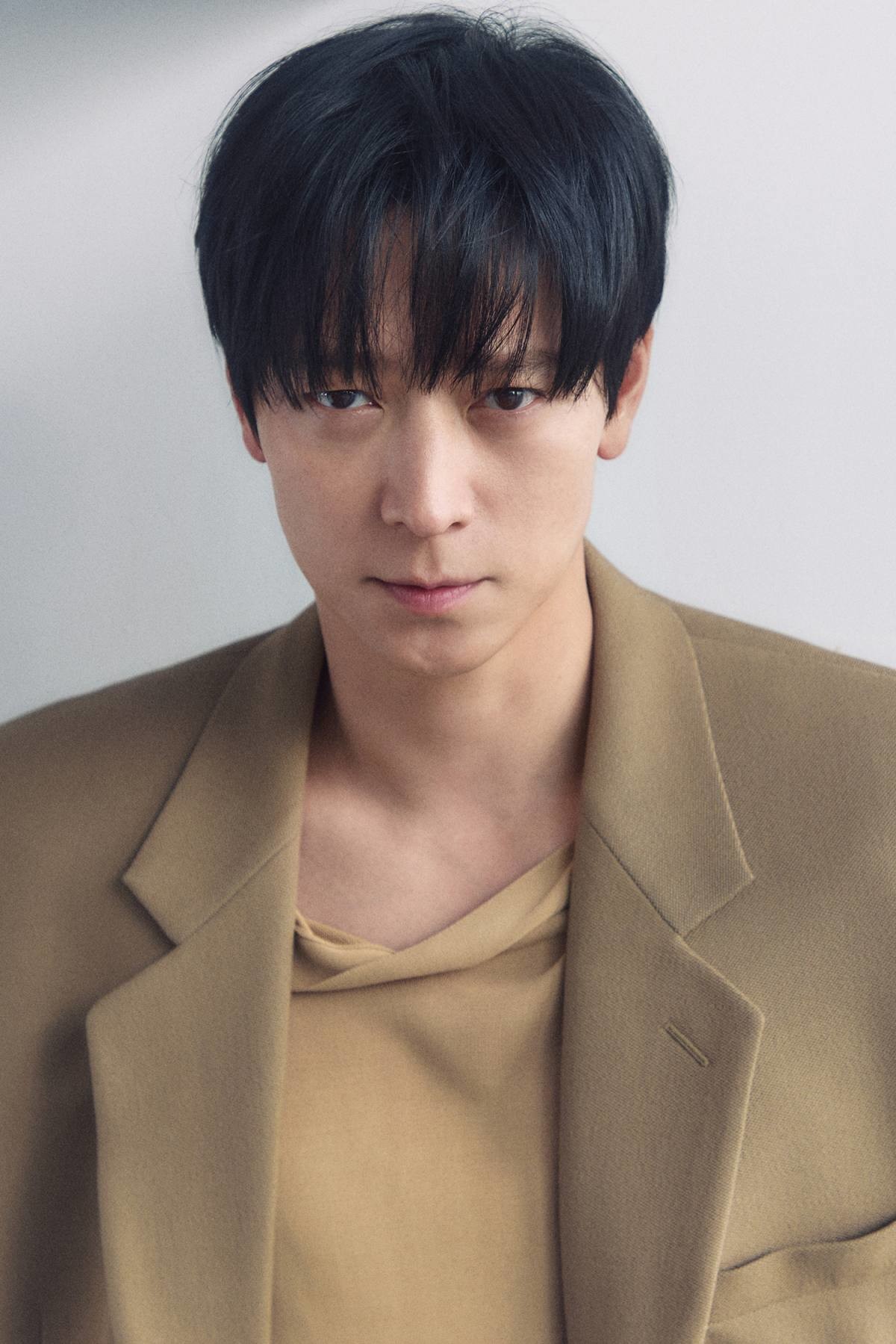
After the information came to light, Kang Dong Won apologized through his then-agency YG Entertainment, saying he was deeply sorry for causing concern in connection with his maternal great-grandfather. He explained that he had grown up hearing positive stories about the relative and therefore had not fully understood the historical figure’s controversial activities when he gave the interview in 2007. He apologized again for his remarks, helping ease some of the public backlash.
The cases of Lee Ji Ah and Kang Dong Won show how public figures have taken different approaches when confronted with controversial family histories, from directly expressing their own views to offering sincere apologies. Ha Young’s response has already evolved from an initial denial of the allegations to an acknowledgment of historical records and a personal apology, leaving the public watching closely to see how she will navigate the controversy from here.
Sources: Daum