




A former applicant for SM Entertainment’s Visual Planning team has gone viral online after claiming that ideas from her rejected proposal were later reflected in aespa’s LEMONADE album visuals.
The individual shared screenshots of her original proposal on an online community, explaining that she had advanced past SM’s document screening stage before eventually being rejected during the interview process. According to her, the proposal was submitted before aespa released their MY WORLD album.

However, after recently seeing the concept images for aespa’s LEMONADE, she said she was shocked by what she described as striking similarities between her work and the final album design.
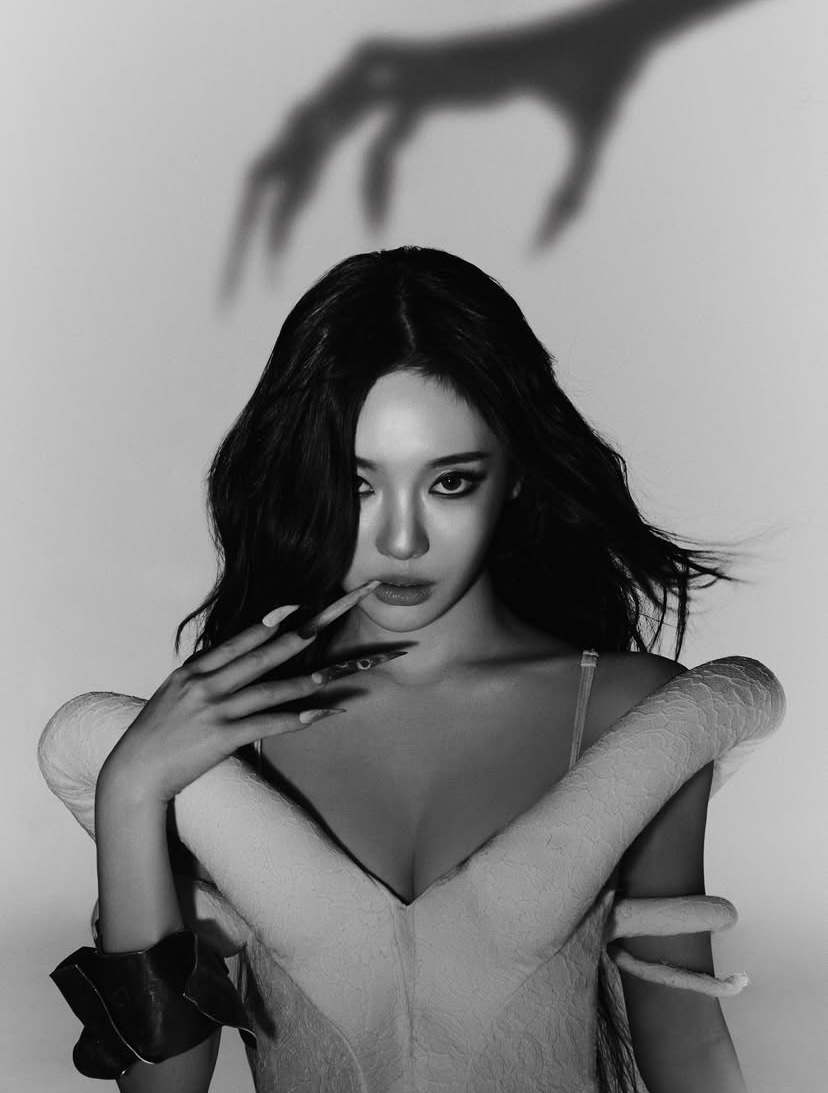
The applicant pointed specifically to several visual elements she believed overlapped with her proposal, including the use of shadows to create object-based effects, the overall lighting direction for the photoshoot, and the retouching style used in the images.
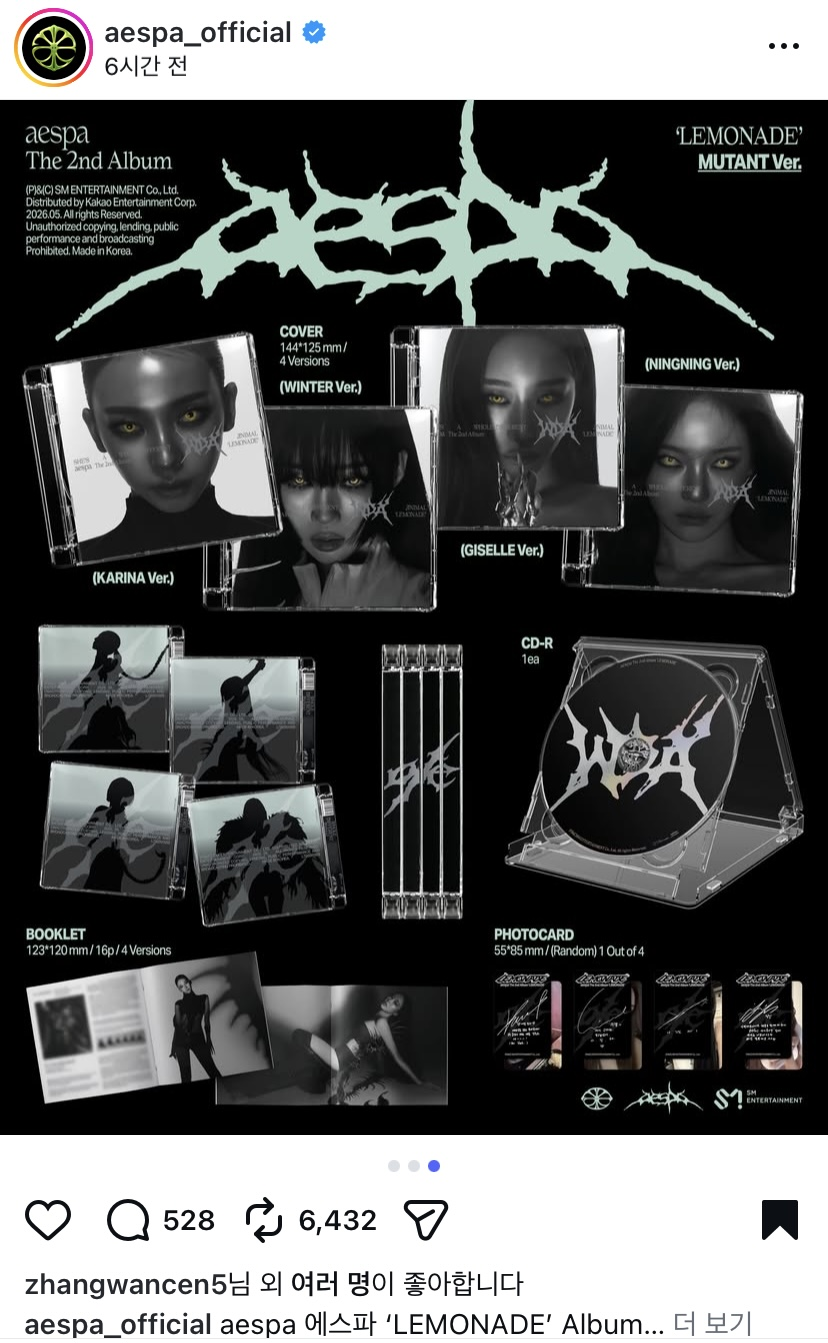
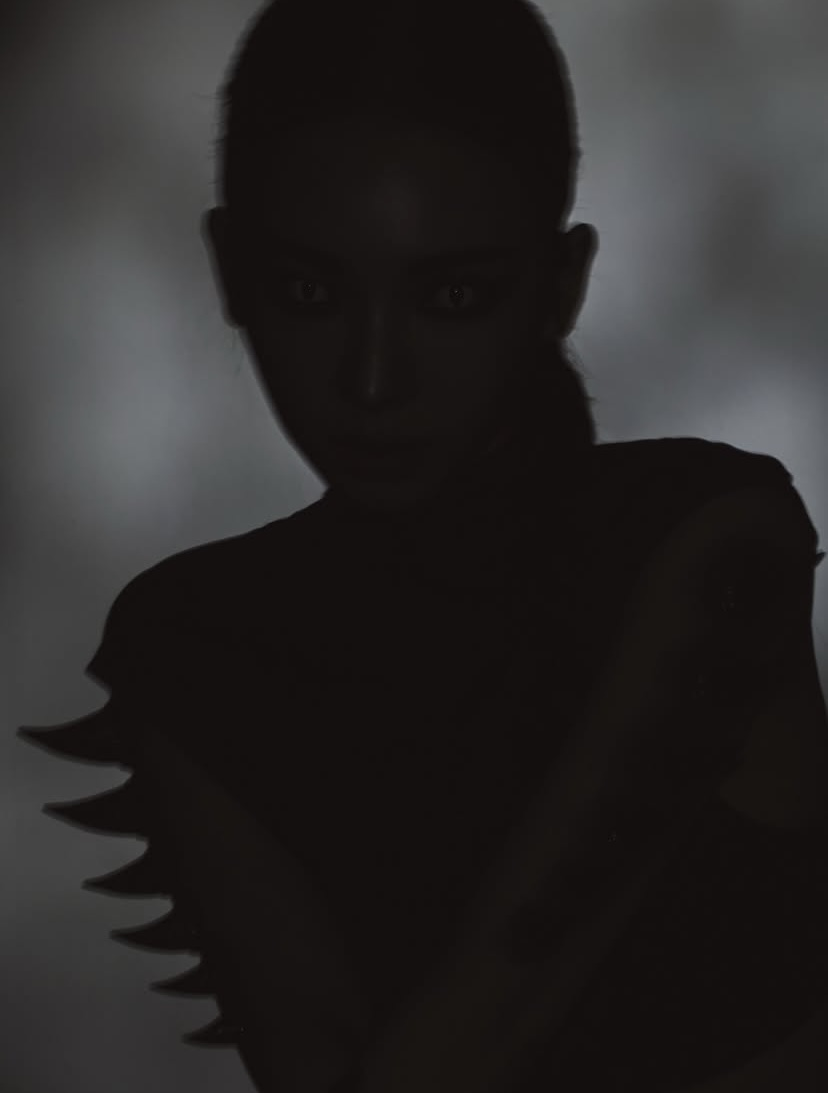
She also emphasized that one black-and-white concept image included in her proposal where only the subject’s eyes were illuminated was not sourced online, but personally edited by her to demonstrate the intended mood and visual identity.
The former applicant expressed frustration over the situation, saying that if the company found the proposal inspiring enough to reference, they could have at least considered hiring her.
She revealed that after spending nearly two years attempting to enter the entertainment industry, including unsuccessful applications to both SM Entertainment and The Black Label, she eventually gave up, struggled financially, and returned to her hometown.
The post quickly spread across Korean online communities, where many netizens sympathized with the applicant’s frustration.
Some commenters claimed it was common for ideas submitted during recruitment processes or public contests to later appear in marketing campaigns. Others argued that the similarities were significant enough to raise questions, especially regarding the continuity between the shadow effects and glowing-eye concept.
Several users also praised the applicant’s creativity, suggesting that the proposal itself proved she had strong visual planning skills suitable for the entertainment industry.
At the same time, some netizens questioned whether the similarities were enough to constitute actual plagiarism, noting that certain visual techniques are commonly used in modern K-pop concept design.
Neither SM Entertainment nor aespa’s team has publicly responded to the claims at the time of writing.
Sources: Pannchoa