



Traditional Korean melodrama is losing its grip on prime-time television, as a string of highly anticipated romance dramas has failed to translate star power into ratings success bringing the genre’s long-suspected decline into sharp focus.
Since the hit drama My Dearest, no clear melodrama blockbuster has emerged. In 2025, even romance projects fronted by top-tier actors have struggled, reinforcing the perception that melodrama no longer resonates with today’s viewers.

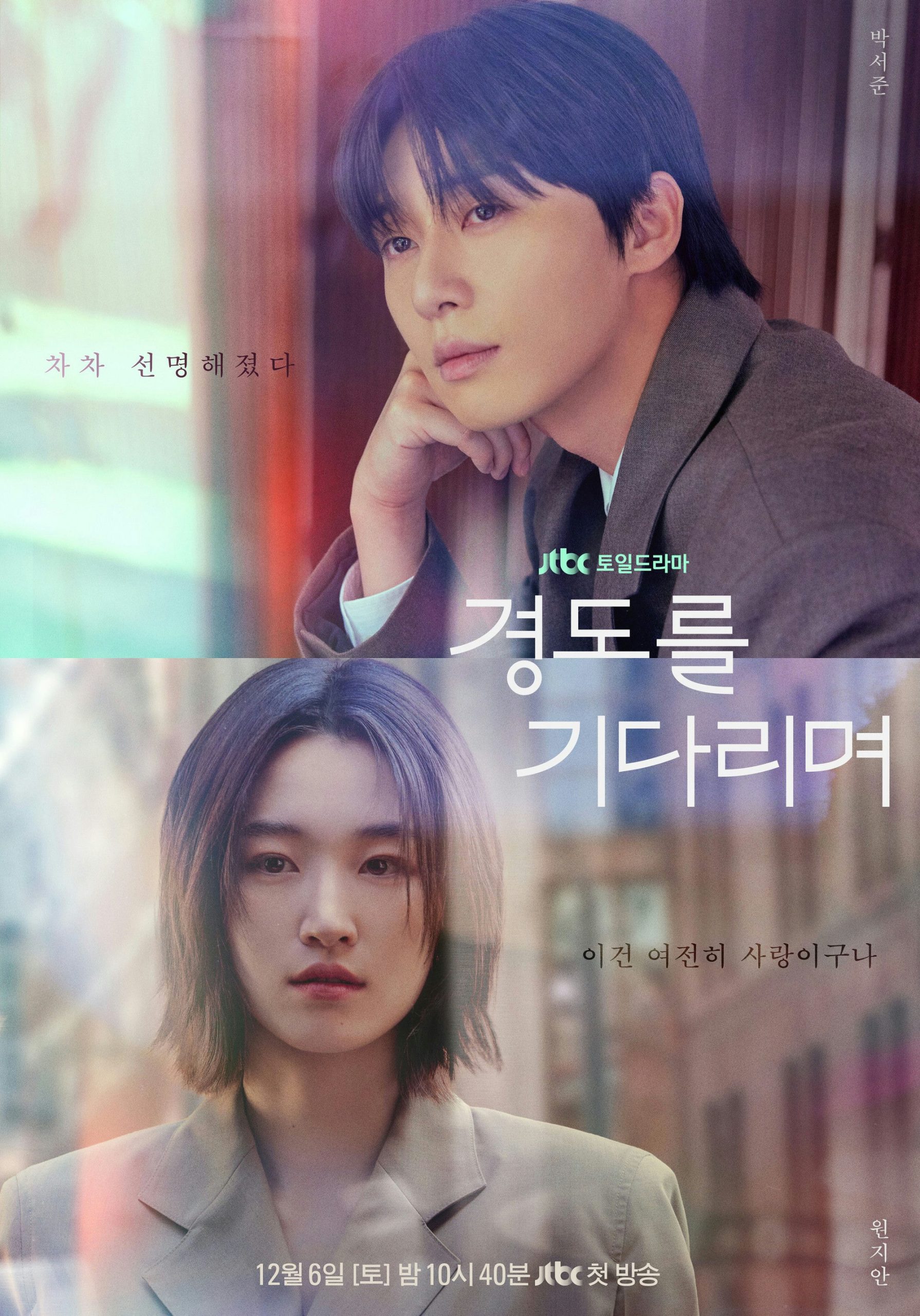
JTBC’s Surely Tomorrow, which marked Park Seo-joon’s return to romance after seven years, was expected to revive interest in classic melodrama. Instead, the drama opened on December 6 with a disappointing 2.7% nationwide rating the lowest premiere rating for a JTBC drama this year. Although ratings rose slightly to 3.9% by episode four, industry observers note that the numbers fall far short of expectations given Park Seo Joon’s status.

The contrast was especially stark against the same-day premiere of legal comedy Pro Bono, which started at 4.5% and quickly climbed to 8%, highlighting the widening gap between genre dramas and traditional romance.
The trend has been consistent throughout the year. The drama The Nice Guy, starring Lee Dong-wook, saw its ratings dip to as low as 1%, despite the actor’s proven box-office appeal. Similarly, SBS’s Our Movie, led by Namgoong Min and Jeon Yeo-been, failed to surpass 4.2% in its first episode before quietly exiting the lineup.
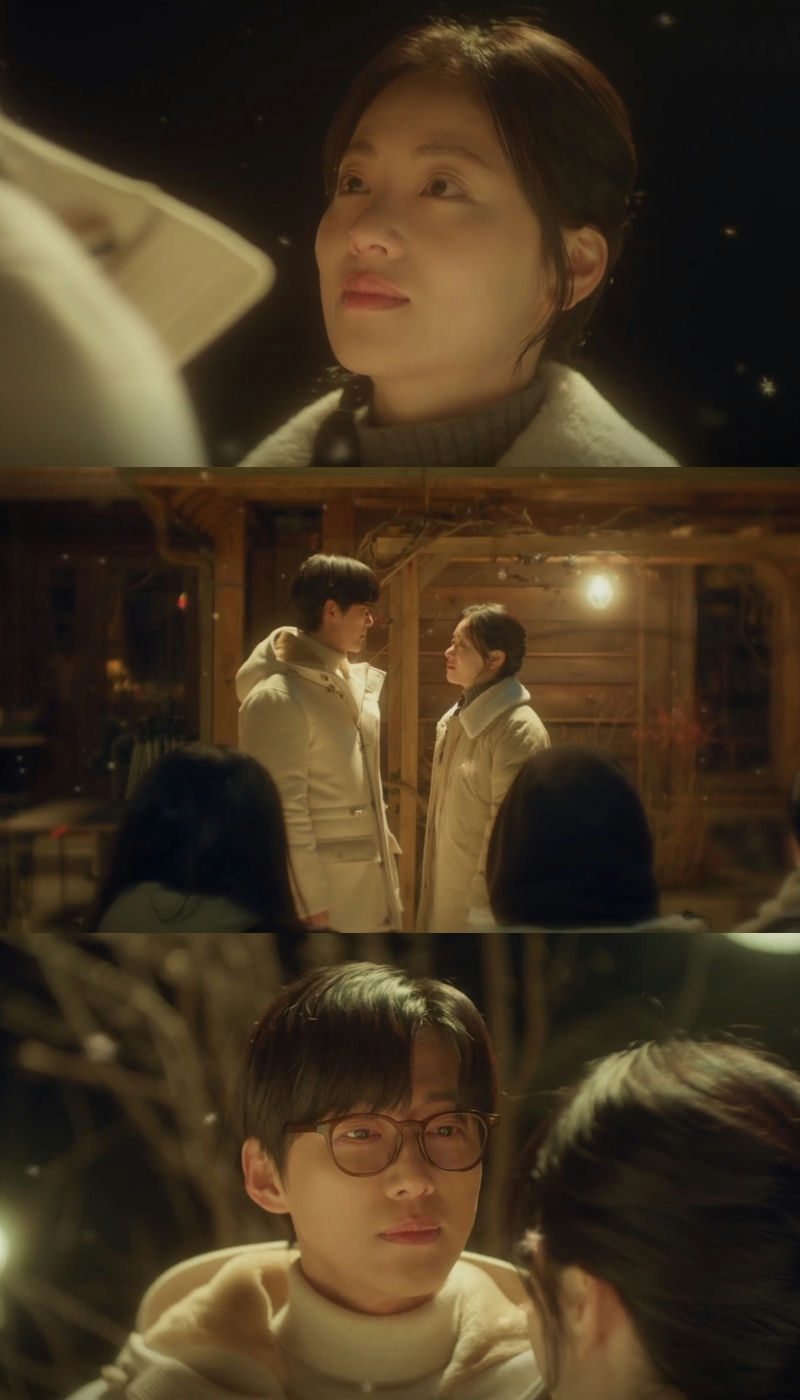
Namgoong Min’s case drew particular attention. Despite previously winning three major awards at the year-end drama awards, he ended the year labeled as the lead actor in SBS’s lowest-rated Friday–Saturday drama and was notably absent from this year’s grand prize nominations.
Critics point to structural issues within the genre. While genre-driven series have thrived on OTT platforms by experimenting with world-building, pacing, and visual language, melodramas are increasingly criticized for clinging to outdated formulas.

One industry insider remarked, “When genre dramas ask ‘what story can we show,’ melodramas are still stuck on ‘who is starring in it.’” Another added that many romance series continue to rely on “dim lighting, excessive close-ups, outdated gender roles, and predictable obstacles in love.”
Experts argue that for melodrama to reclaim relevance, it must evolve beyond nostalgia. As one source put it, “Melodrama needs modern relationship dynamics and the same level of bold directing and visual experimentation that genre dramas have embraced.”
As viewer tastes shift and competition intensifies, the fate of melodrama now hinges on whether it can reinvent itself or risk becoming a relic of a bygone era in Korean television.
Sources: Sports Donga,JTBC,SBS