



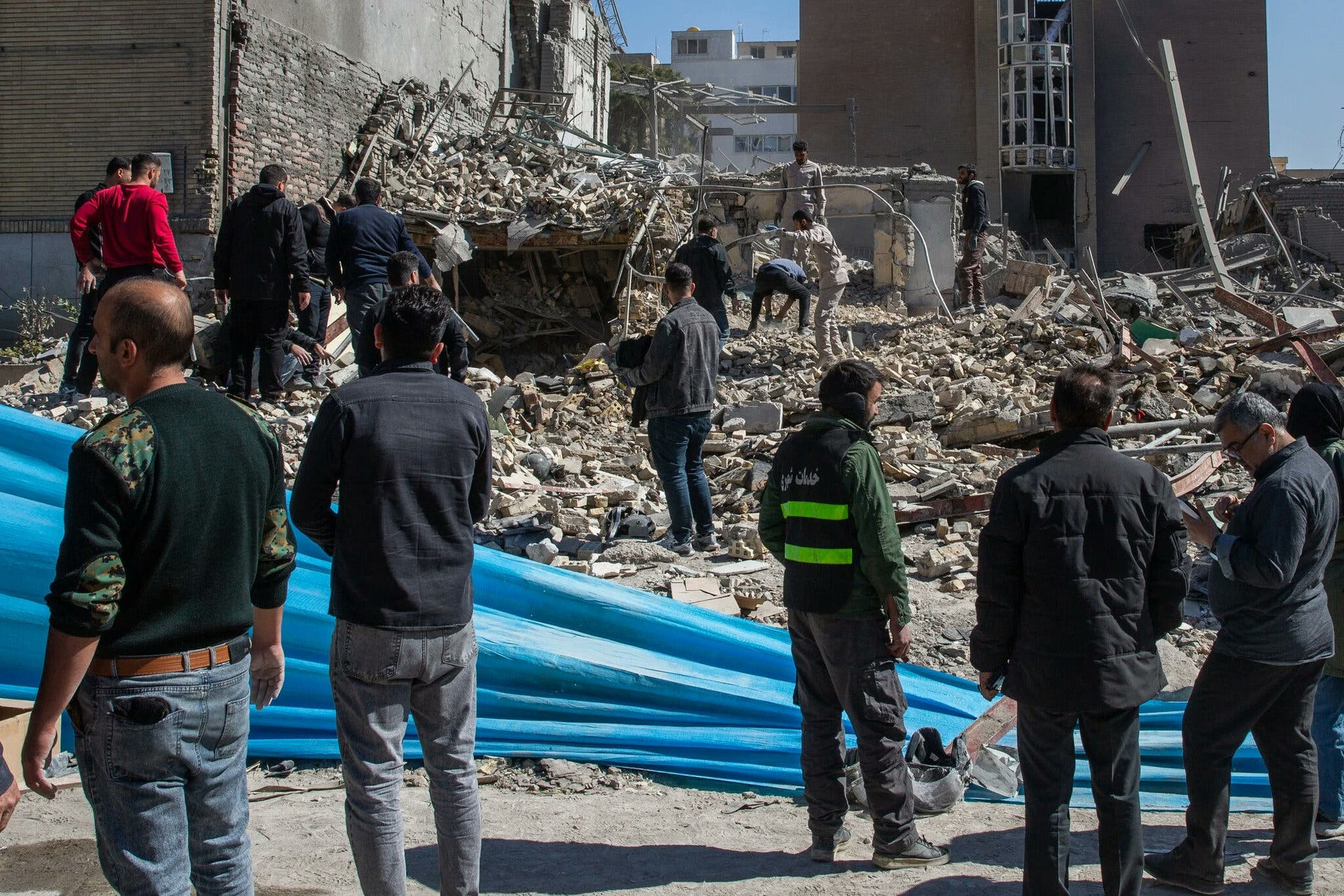
According to analysis cited by The New York Times, the Islamic Republic’s top priority is preserving its regime. To do so, Tehran is attempting to raise the costs of war for the United States through military casualties, higher energy prices, and inflation in hopes that former U.S. President Donald Trump will ultimately decide to withdraw from the conflict.
A “Test of Endurance”
Diplomats and analysts believe Iran is attempting to expand the battlefield beyond its own territory and turn the conflict into a broader regional crisis.
Key objectives reportedly include:
- Targeting oil infrastructure in neighboring countries
- Disrupting air traffic across the Gulf region
- Threatening shipping through the Strait of Hormuz

The Strait of Hormuz alone handles nearly one-fifth of the world’s oil and natural gas shipments, meaning any disruption can send global energy prices soaring.
Vali Nasr, an expert at Johns Hopkins School of Advanced International Studies, described the conflict as a contest of willpower.
“Iran faces militaries that are far superior in quality. Its strategy is to test the opponent’s will by expanding the battlefield, complicating the war, and raising risks for the global economy.”
Ali Vaez of the International Crisis Group said Iran is hoping to generate enough political and economic pressure to push Washington toward ending the war.
This approach has been labeled an “asymmetric endurance strategy” accepting early losses while preserving the ability to escalate later.
Mounting Regional Impact
The strategy is already showing consequences across the region. Attacks have targeted U.S. bases and diplomatic facilities, reportedly killing six American soldiers and downing three aircraft. Meanwhile, the Lebanese militant group Hezbollah has joined the conflict.
Several Gulf states have also expressed concern as their energy infrastructure comes under threat. Oil and gas prices have surged amid the instability, while shipping activity through the Strait of Hormuz has slowed dramatically. Ali Larijani, secretary of Iran’s Supreme National Security Council, recently stated that Tehran is prepared for a long war, including a step-by-step escalation plan.

Military analyst Franz-Stefan Gady described the conflict as a race against time. The United States, Israel, and their allies are attempting to destroy Iranian missile launchers and command infrastructure as quickly as possible before expensive interceptor systems become depleted.
Even Israel, known for its advanced air defense, reportedly faced shortages during a 12-day conflict with Iran in June 2025, forcing it to prioritize interceptions only when missiles threatened critical targets.
Trump’s Next Move Remains Uncertain
On March 2, Donald Trump said the war would continue for at least another month, and did not rule out deploying U.S. ground troops. Meanwhile, U.S. Secretary of State Marco Rubio warned that the most intense attacks may still lie ahead. The Pentagon has also announced additional troop and fighter jet deployments.

Despite Iran’s attacks on Gulf states including airports and hotels regional governments have not broken with Washington. Members of the Gulf Cooperation Council reaffirmed that the security of their member states is indivisible.
Some Gulf countries may now allow greater U.S. access to their airspace and territory after initially hesitating. Meanwhile, European countries such as the United Kingdom, France, and Germany which previously criticized Iran but avoided direct involvement are reportedly becoming more willing to act to protect their interests in the Gulf.
Global Stakes Rising
Europe has grown increasingly dependent on Gulf energy after reducing reliance on Russia, while roughly half of India’s oil imports pass through the Strait of Hormuz. These factors could increase international pressure on Washington to shorten the war, even as Israel seeks to permanently neutralize Iran’s military threat.

Trump has repeatedly stated that he would prefer a deal with Iran and recently pointed to Nicolás Maduro as an example of a political outcome where leadership could change without dismantling the entire state apparatus. Analysts say predicting Trump’s next move remains extremely difficult.
Matthew Kroenig of the Atlantic Council noted that the U.S. may already consider some objectives achieved including weakening Iran’s missile and nuclear capabilities and eliminating several key leaders. That means Washington could potentially declare success and disengage at almost any time.
Sources: Znews