



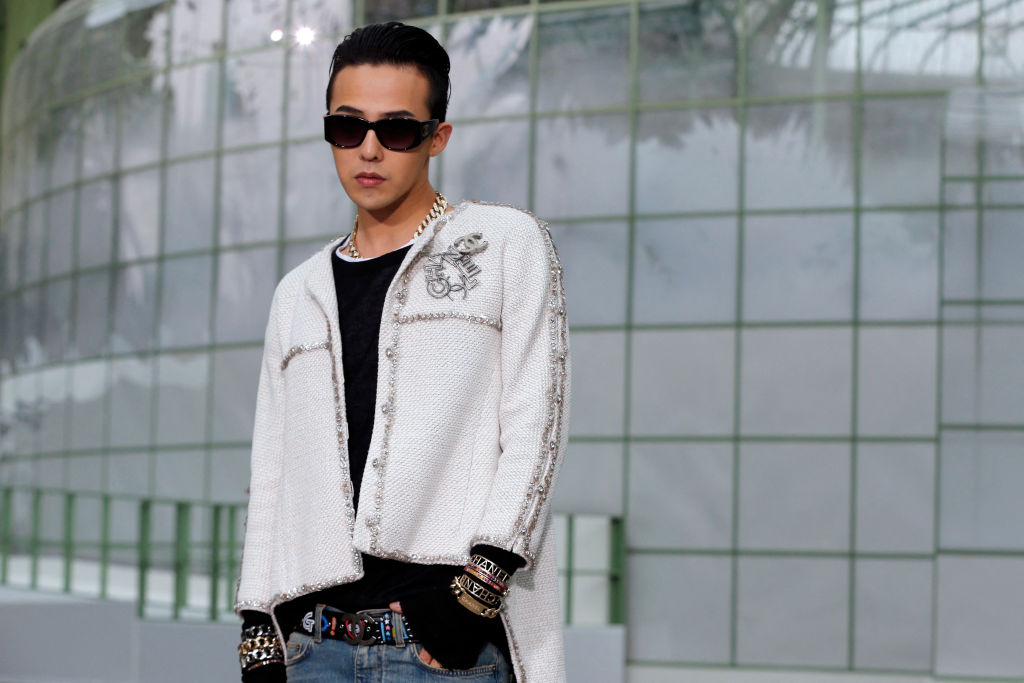
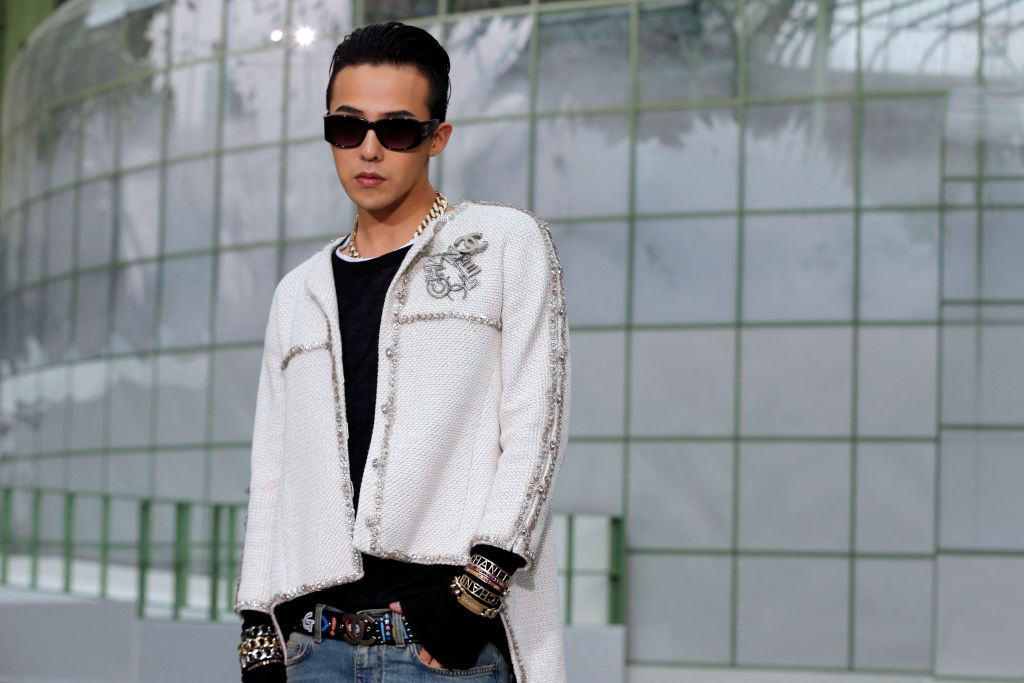
G-Dragon is assembling a producer lineup that brings together several of K-pop’s most recognizable creative identities for the second season of “Good Day.” Production company TEO confirmed on November 23 that the BIGBANG member will return as executive producer, joined by Stray Kids’ 3RACHA, i-dle’s Soyeon, Code Kunst, JANNABI’s Choi Jung Hoon, HANRORO, and entertainer Park Myung Soo, who also performs as DJ G-park. Rather than simply repeating the celebrity collaboration format from the first season, the new edition is being developed around an album-making project involving multiple producers.
The premiere is planned for the first half of 2027, although a specific date and broadcaster have not yet been announced.
The addition of 3RACHA is an immediate talking point for Stray Kids listeners. The producing team consists of Bang Chan, Changbin and Han, whose work has helped define the group’s recording identity. On “Good Day 2,” they are listed among the music producers participating in G-Dragon’s new project; that is not the same as an announcement that Stray Kids will appear as a full group or release a joint single with BIGBANG.
Soyeon brings another strongly identifiable creative perspective. As a rapper, songwriter, and producer associated with i-dle, she has repeatedly emphasized making music that reflects a group’s own identity. In a collaborative setting with G-Dragon and producers from other scenes, her confirmed involvement gives the project another artist with experience balancing concept, performance, and production. It also makes the lineup unusually interesting for listeners who follow how songs are built rather than only who ultimately sings them. No track list has been released, and it would be premature to claim that any specific pair of producers has already recorded together.
The roster extends well beyond idol music. Code Kunst is known for his production work across Korean hip-hop and R&B. Choi Jung Hoon brings the band-oriented songwriting associated with JANNABI, while HANRORO offers a perspective rooted in the country’s independent rock and singer-songwriter scene. Park Myung Soo, credited here under his DJ G-park identity, adds a familiar entertainment and dance-music presence. Put together, these names suggest a program designed to test how different creative languages fit within one album, not simply a parade of star cameos. TEO describes them as the production team; the precise division of responsibilities will emerge only as recording and episode details are released.
G-Dragon’s role is different from that of a conventional host who introduces guests and reacts to performances. According to Korean reporting of TEO’s announcement, he will oversee the direction and track list of the album while collaborating with the younger producers. The agency has not revealed how many tracks will appear on the final project, which artists will provide vocals, or whether viewers will hear full demos during filming. What is confirmed is the ambition to broaden the format from a single collaborative musical moment into a larger production process that can become part of the entertainment itself.
The first season, overseen by producer Kim Tae Ho, offered a useful model for the project. It gathered people from different parts of Korean public life and culture to make music together, emphasizing the conversations and working relationships that happen before a finished performance reaches an audience. Korean news agency Yonhap notes that the earlier season brought figures including actor Kim Go Eun, actor Hwang Jung Min, chef Ahn Sung Jae and actor Lee Soo Hyuk into G-Dragon’s orbit. The new lineup shifts attention toward an additional question: what happens when the collaborators themselves are established music producers with distinctive sounds and methods?
That question is particularly interesting in an industry where songwriting credits and producing teams are increasingly part of fandom conversation. Fans can identify the members of 3RACHA or recognize Soyeon’s involvement even before a full song is announced. Still, the production lineup should not be treated as an implicit promise of a cross-group release. A show can feature a producer without featuring that producer’s entire group, and project announcements frequently change as filming proceeds.
The second season is also expected to continue the charitable dimension of the original program. TEO’s announcement says proceeds from the music will support a good cause, continuing the earlier season’s commitment to directing song-related proceeds toward people in need. The production has not yet disclosed a final beneficiary list or projected donation figures. Those details will matter when the album arrives, but the current announcement establishes the intention rather than an amount already raised. It gives “Good Day 2” a purpose beyond chart positions, even as the team hopes its work connects with listeners across generations.