




Anime has long been known for pushing creative boundaries, tackling mature themes, graphic violence, and controversial subject matter that few other forms of animation are willing to explore. While many divisive anime simply spark heated discussions among fans, some have gone much further, facing government bans, distribution restrictions, or outright licensing refusals in various countries.
Notably, China has placed dozens of anime titles on its list of banned content across domestic online platforms. Below are five well-known anime that became the focus of censorship because of their highly sensitive content or concerns about their potential social impact.
1. Violence Jack
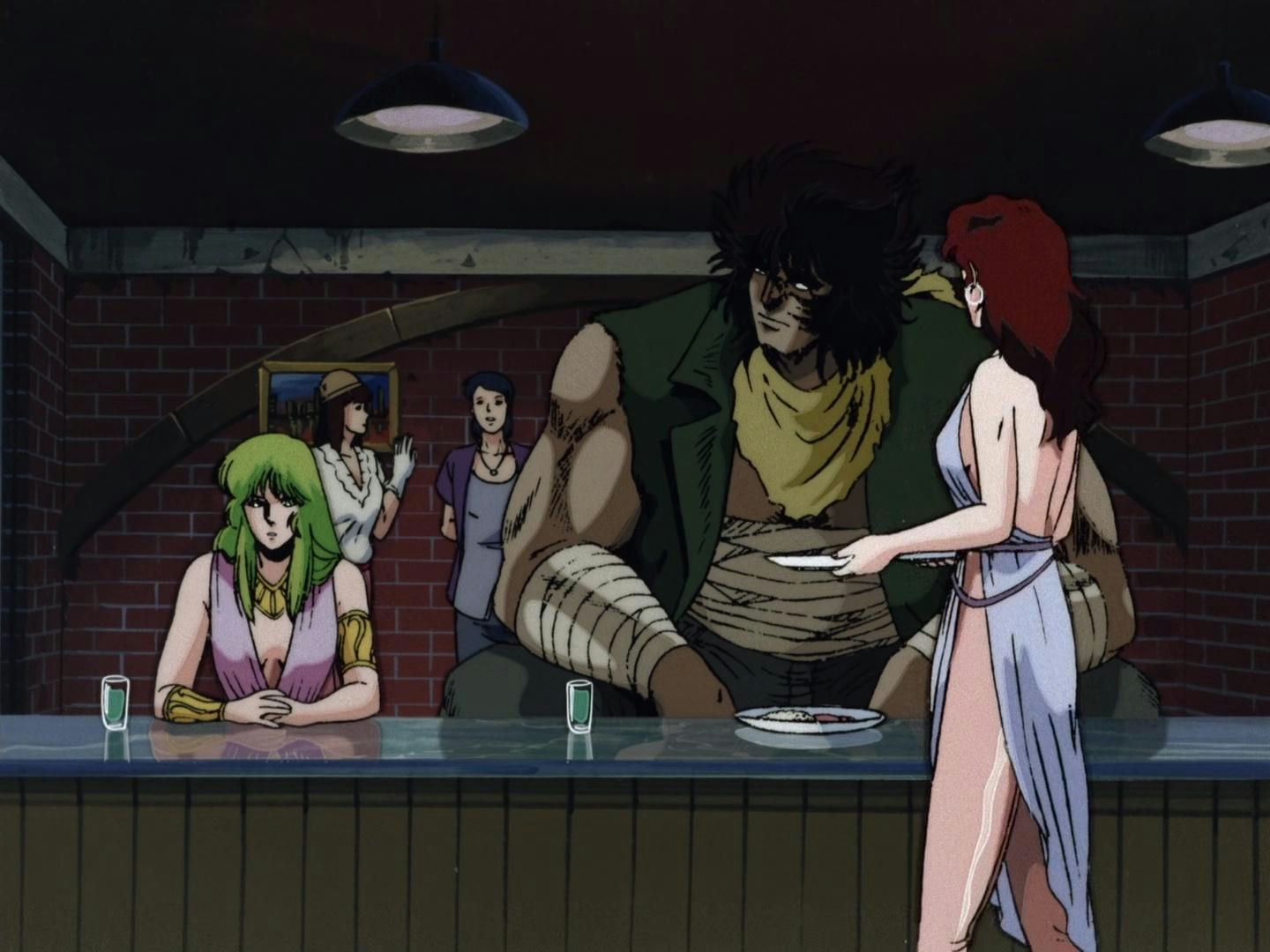
Released as an OVA adaptation of Go Nagai’s manga, Violence Jack quickly earned a reputation as one of the most notorious anime ever produced due to its extreme violence, graphic gore, and shocking scenes of sexual assault.
Following its international release, the anime attracted the attention of censorship authorities in several countries. In the United Kingdom, during the infamous “video nasties” era, several episodes of Violence Jack were denied classification, making them illegal to sell, import, or distribute through official channels.
Even today, Violence Jack is widely regarded as one of the most controversial anime ever created.
2. Urotsukidōji: Legend of the Overfiend
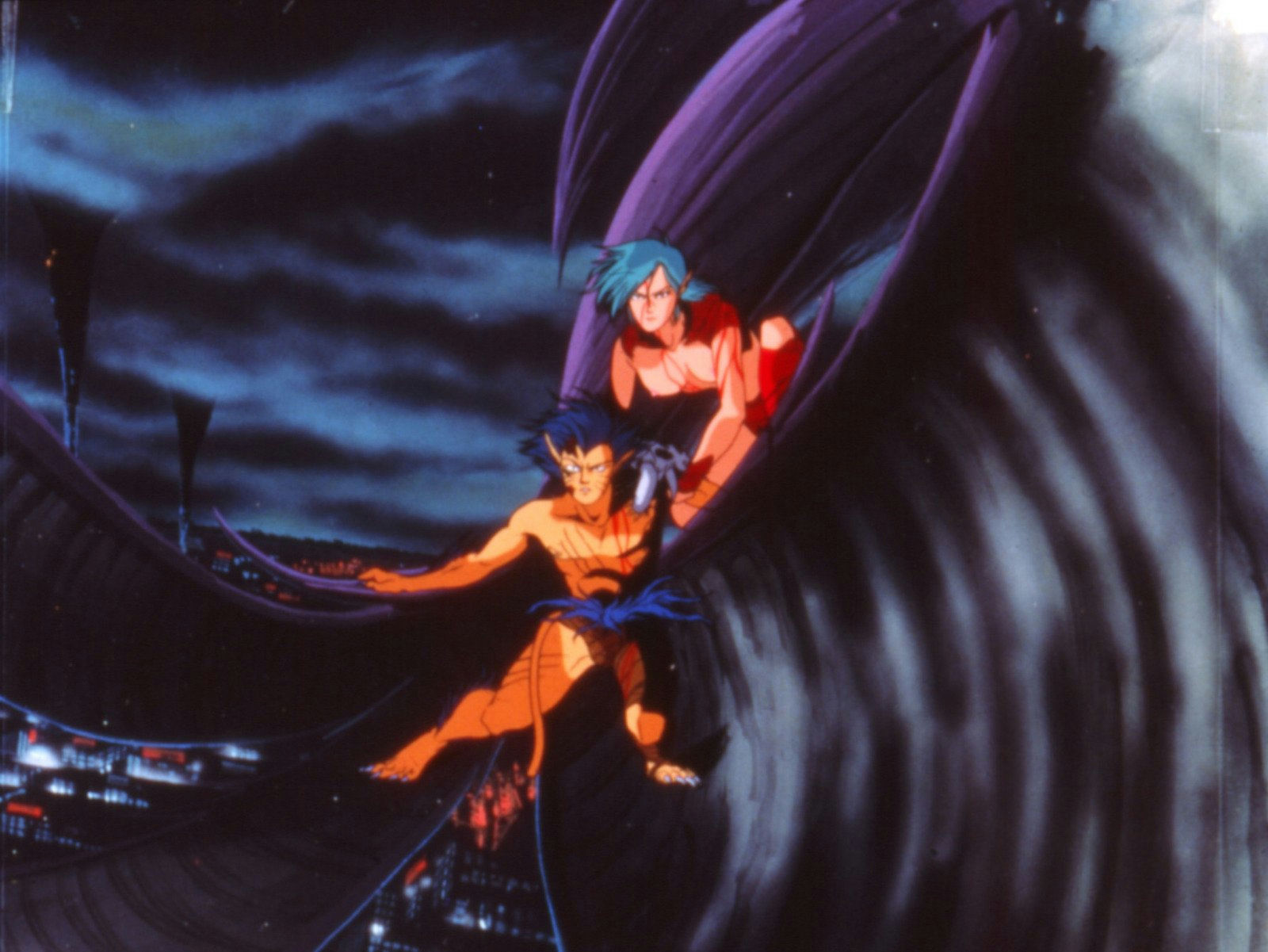
When discussing anime that caused major headaches for censorship boards, Urotsukidōji: Legend of the Overfiend is impossible to ignore.
The film combines graphic violence, body horror, explicit sexual content, and numerous disturbing scenes, leading to heavy censorship in the United Kingdom before being released in a significantly edited version. Several other countries went even further by banning the title altogether.
Beyond its controversial content, Urotsukidōji also changed how many governments viewed Japanese animation. The film highlighted that anime is not always intended for children, prompting regulators in several countries to adopt more specialized classification systems for adult-oriented animated works.
3. Kodomo no Jikan
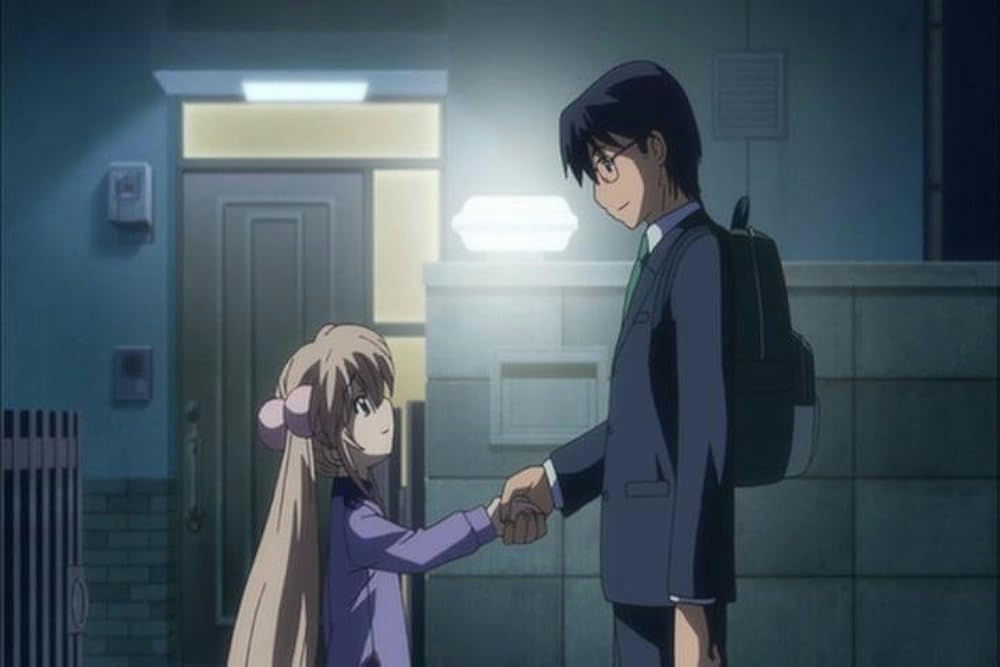
Kodomo no Jikan remains one of the most divisive anime among fans. The story centers on elementary school students and includes numerous suggestive situations, although its creators have maintained that the primary goal was to explore psychological and social issues.
Its presentation proved highly controversial, causing several distributors to avoid releasing the series. In Australia, the Classification Board refused classification for certain versions of the manga, while the anime itself also faced significant scrutiny. Even many anime fans who generally oppose censorship have acknowledged that Kodomo no Jikan is an exceptionally difficult work to approach because of its sensitive subject matter.
4. High School DxD
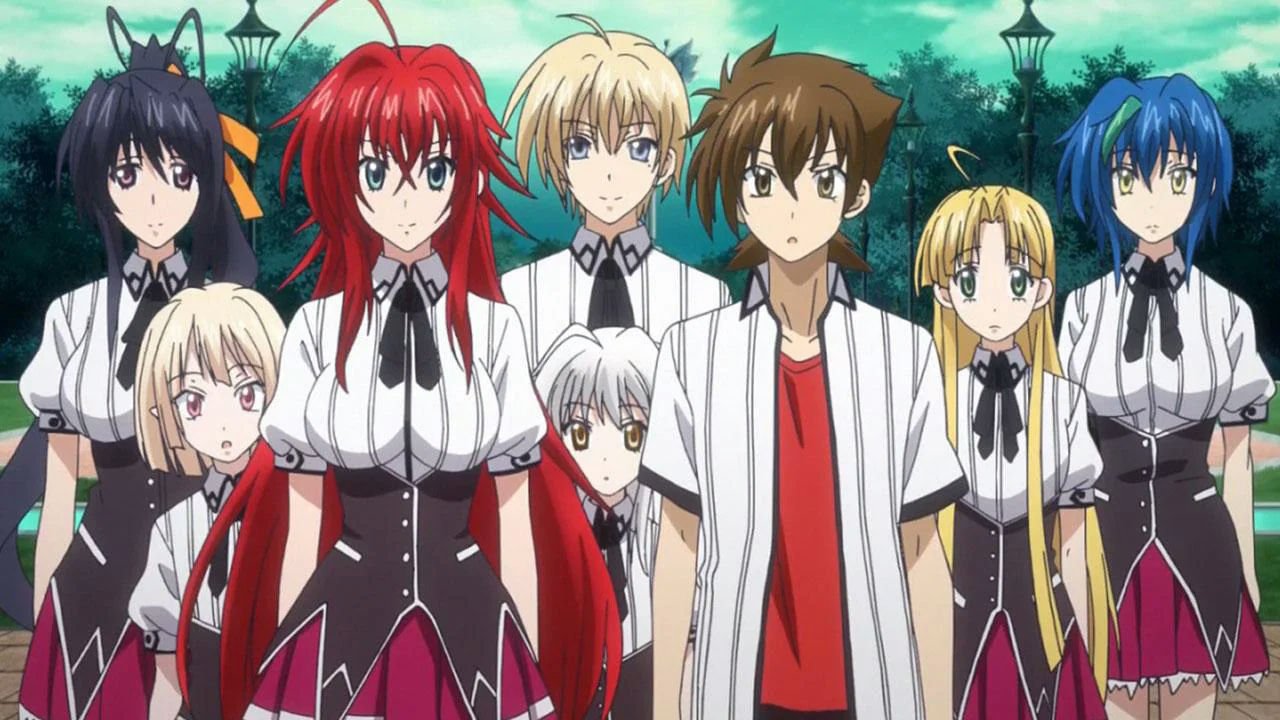
Despite its worldwide popularity and large fanbase, High School DxD also faced an official ban in New Zealand.
In 2015, the country’s Office of Film and Literature Classification refused to classify the OVA High School DxD New: Oppai, Tsutsumimasu!, arguing that it sexualized characters who appeared underage, violating local legal standards. As a result, the OVA was prohibited from being distributed or circulated in New Zealand.
The ban was lifted in 2023 following a review, and the title was subsequently classified as R16. Nevertheless, it remains one of the rare cases in which a globally popular anime was officially banned by a national regulatory authority.
5. Death Note
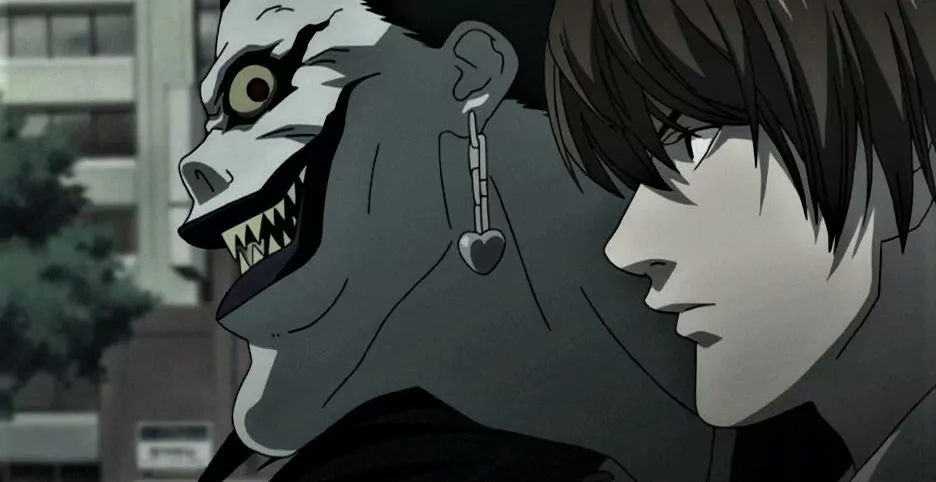
Unlike the other titles on this list, Death Note was not criticized primarily for graphic violence or explicit sexual content. Instead, authorities became concerned about its influence on real-world behavior.
After both the manga and anime achieved worldwide popularity, schools in China, the United States, and several Southeast Asian countries reported incidents of students creating imitation “Death Notes,” writing the names of classmates or teachers in notebooks modeled after the fictional one featured in the series.
Concerns over these copycat behaviors led many schools to ban Death Note manga and related merchandise from school grounds.
The controversy reached its peak in 2015, when China’s Ministry of Culture added Death Note to its list of anime banned from domestic online platforms while also restricting the sale of related products.
It remains one of the few anime whose controversy stemmed less from graphic imagery than from concerns about the potential influence of its central concept on younger audiences.
Sources: GameK