



If there is one of the most successful idol-to-actress transitions in Korea’s entertainment industry as of 2026, Kang Hye Won is undoubtedly at the top of the list. With her luminous skin and signature long layered haircut flowing effortlessly over her shoulders, she has firmly established herself not as a former idol, but as “actress Kang Hye Won.”
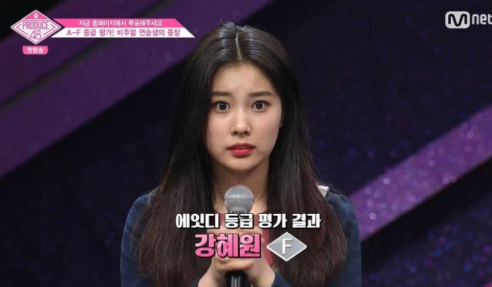
Yet behind today’s spotlight lies a painful past marked by harsh criticism and tears. During her audition days, she was labeled as “lacking skills” and even received the lowest F rank as a trainee.


Kang Hye Won’s rocky start in the industry dates back to 2018 when she appeared on Produce 48. Due to her short training period, she struggled with both singing and dancing, ultimately being placed in the lowest performance tier. One of her biggest challenges came when she had to prepare for BLACKPINK’s “Boombayah” stage, taking on the rapper position for a song many contestants avoided. Her visible tears and shaky performance aired on national television, sparking a wave of criticism from viewers who questioned whether she was ready to debut.
However, the turning point came not from technical skills, but from her undeniable visual presence and warm personality. Her caring attitude toward fellow contestant Sato Minami—earning her the nickname “Mother Hye-resa”—and her pure, camera-dominating beauty won over national producers. Even criticism about her abilities gradually transformed into a “growth narrative” fandom, with supporters believing she had potential worth nurturing.

Against the odds, Kang Hye Won was selected as a final member of IZ*ONE, proving that star quality extends beyond technical perfection.
After IZ*ONE concluded activities, she began her acting journey in earnest. She first showed promise through the web drama Best Mistake 3, but it was the Coupang Play original series Boyhood that marked a true turning point in her career. Playing Kang Seon Hwa—nicknamed the “Buyeo Sophie Marceau” and known as the ultimate beauty of the 1980s—felt like a role tailor-made for her.

Her styling in Boyhood further cemented her reputation as a beauty icon. The softly layered long hairstyle framing her delicate shoulder line became one of the most sought-after looks among Gen Z audiences. Rather than relying on heavy cosmetic procedures or dramatic transformations, Kang emphasized her natural, clean image—a choice that resonated strongly with younger fans.

As she took on more roles, her once-criticized vocal delivery and emotional expression gradually stabilized. Viewers began asking in surprise, “Was Kang Hye Won always this good at acting?” The narrative shifted from doubt to praise.



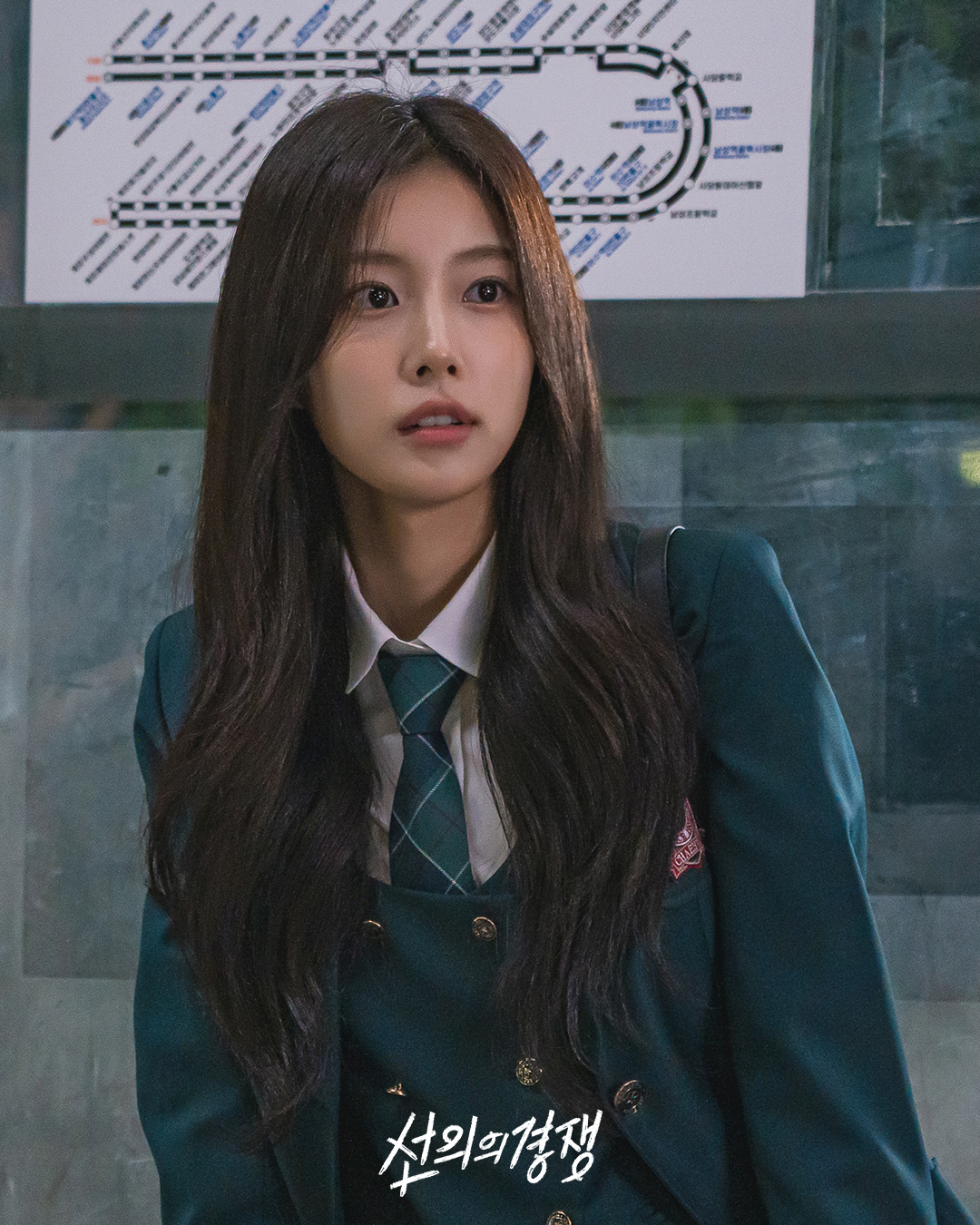
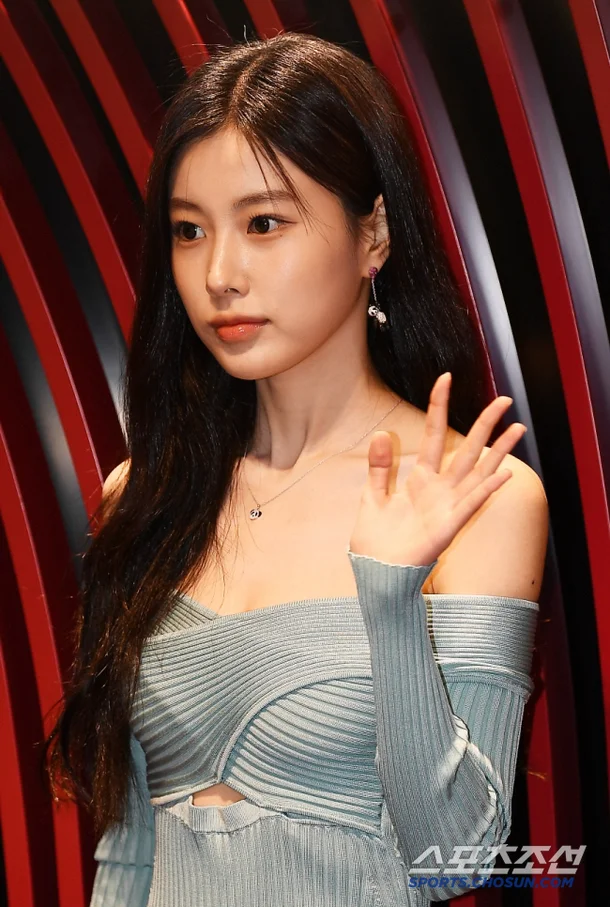
Her success is not simply a matter of being “pretty.” Determined to shed the label of lacking talent, she reportedly spent countless hours refining her diction, analyzing scripts, and carefully selecting roles that aligned with her strengths. Removing the glamorous idol makeup and presenting a more understated, actress-like image proved to be a strategic and effective decision.
In the end, Kang Hye Won endured skepticism with her striking visuals—and during that time, quietly built her skills. In 2026, the gaze directed toward her is no longer filled with doubt, but expectation. As her long hair sways in front of the camera, audiences no longer see the tearful F-ranked trainee. Instead, they see a confident leading actress capable of carrying an entire project on her shoulders.
Sources: Daum