



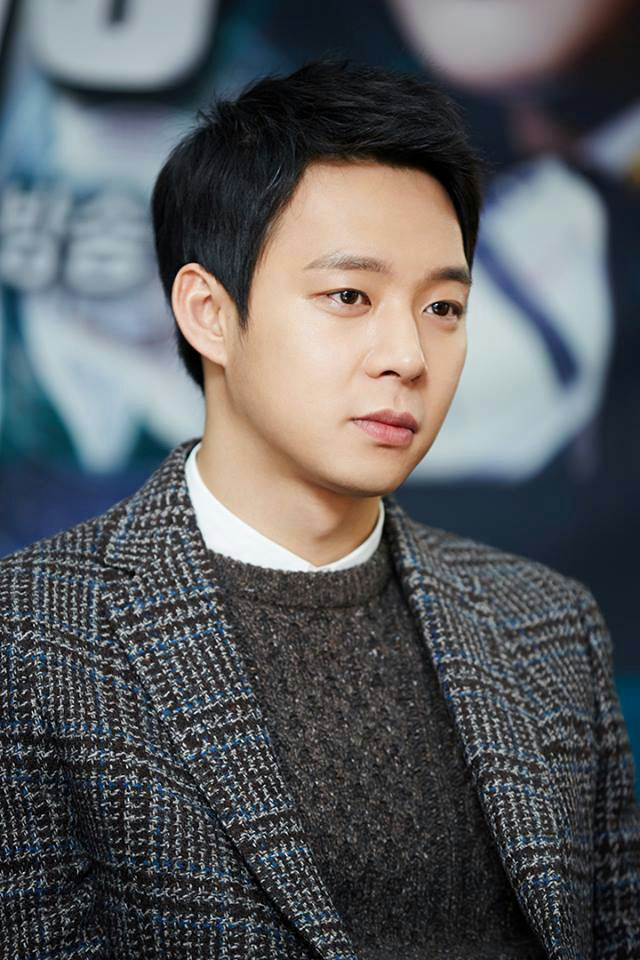
On January 20, investigative journalist Oh Hyuk-jin released a video on his YouTube channel Jirit Jirit, revealing further details surrounding figures who once shook the Korean entertainment industry, including Hwang Ha-na, Seungri, and most notably Park Yoo-chun. Yoo-chun, the former boyfriend of Hwang Ha-na, has recently returned to Korea to attend court hearings following a summons, but his chances of resuming activities in the entertainment industry appear virtually nonexistent.

Once a core member of TVXQ and later a central figure of JYJ, Park Yoo-chun possessed all the qualities of a top-tier star: striking visuals, a distinctive deep voice, and acting skills recognized by industry professionals. He successfully shed the “idol-turned-actor” label and was praised as a capable actor through hit dramas such as Rooftop Prince and Sungkyunkwan Scandal, which gained popularity across Asia.

However, his image began to crumble in 2016 after a series of serious allegations involving his personal life and legal issues. Although some early accusations did not result in prison time, the damage to his public image proved irreversible. The decisive blow came in 2019, when Park Yoo-chun was convicted for illegal drug use, despite previously declaring at a press conference that he would retire if such allegations were proven true. He received a suspended sentence of 10 months, along with detention and mandatory rehabilitation, effectively ending his career in the Korean market.

Public outrage was fueled not only by his crimes, but also by his attitude after the scandal. Less than a year after serving his sentence, Park Yoo-chun reappeared on social media, showcased fan gifts, held overseas fan meetings, and released commercial products such as photobooks. Breaking his promise to retire, he continued to capitalize on his past fame, earning the label “the thick-skinned star of showbiz.”

In one television appearance, Yoo-chun broke down in tears, saying “it took a lot of courage to apologize” and that he “wished he had been honest sooner.” Yet for the Korean public, these emotional confessions failed to soften their stance. In Korea, remorse without accountability, especially when followed by repeated comeback attempts, is rarely forgiven.
Despite widespread criticism, Park Yoo-chun has continued low-key activities overseas, mainly in Japan. He released the mini-album Metro Love in 2025, appeared on local entertainment programs, and held small fan events. Recent appearances show a visibly aged and worn-down image, accompanied by repeated expressions of gratitude toward the few fans who remain and his desire to “return.”

In reality, the door to the Korean entertainment industry is effectively shut. Park Yoo-chun still faces ongoing legal issues, including contract disputes and tax-related problems stemming from past scandals. Each renewed apology or expression of regret is met with public fatigue rather than sympathy. For many Koreans, trust once lost cannot be regained through tears or repeated promises.
Sources: K14