



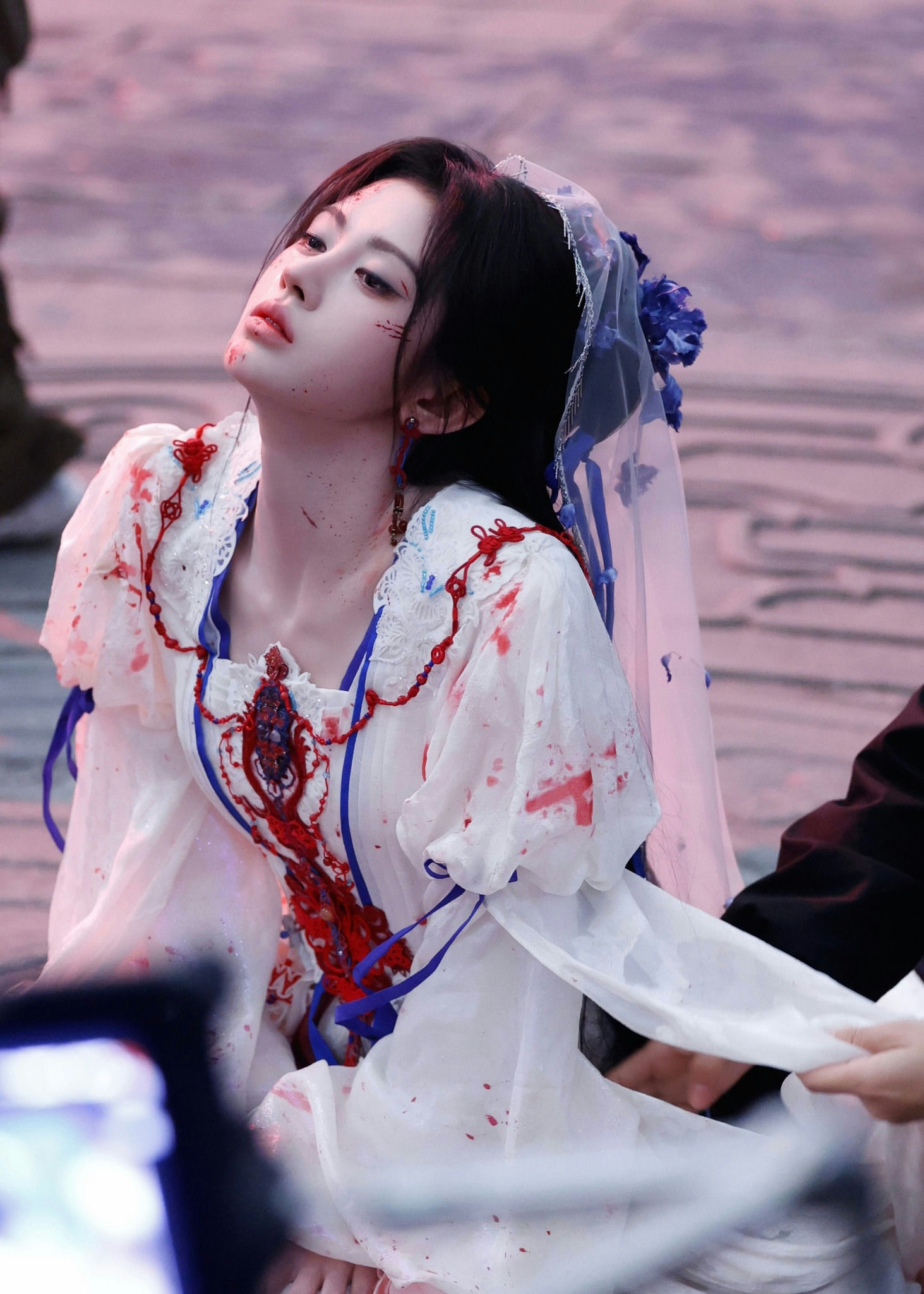
In recent years, a harsh reality has become a hot topic across Chinese social media: when artists attempt to leave their management companies, they often suffer severe consequences. From frozen careers to financial ruin and damaged reputations, many celebrities have learned the hard way that taking on a powerful agency can feel like “throwing eggs at a rock.” The Chinese entertainment industry is filled with cases where famous actors and idols paid a painful price for trying to “divorce” their companies.
Recently, Ju Jingyi has become one of the most talked-about names online as her conflict with management company Siba Media continues to escalate. Once regarded as Siba Media’s top asset, Ju Jingyi was widely seen as the pillar who single-handedly carried the company’s visibility and profits.
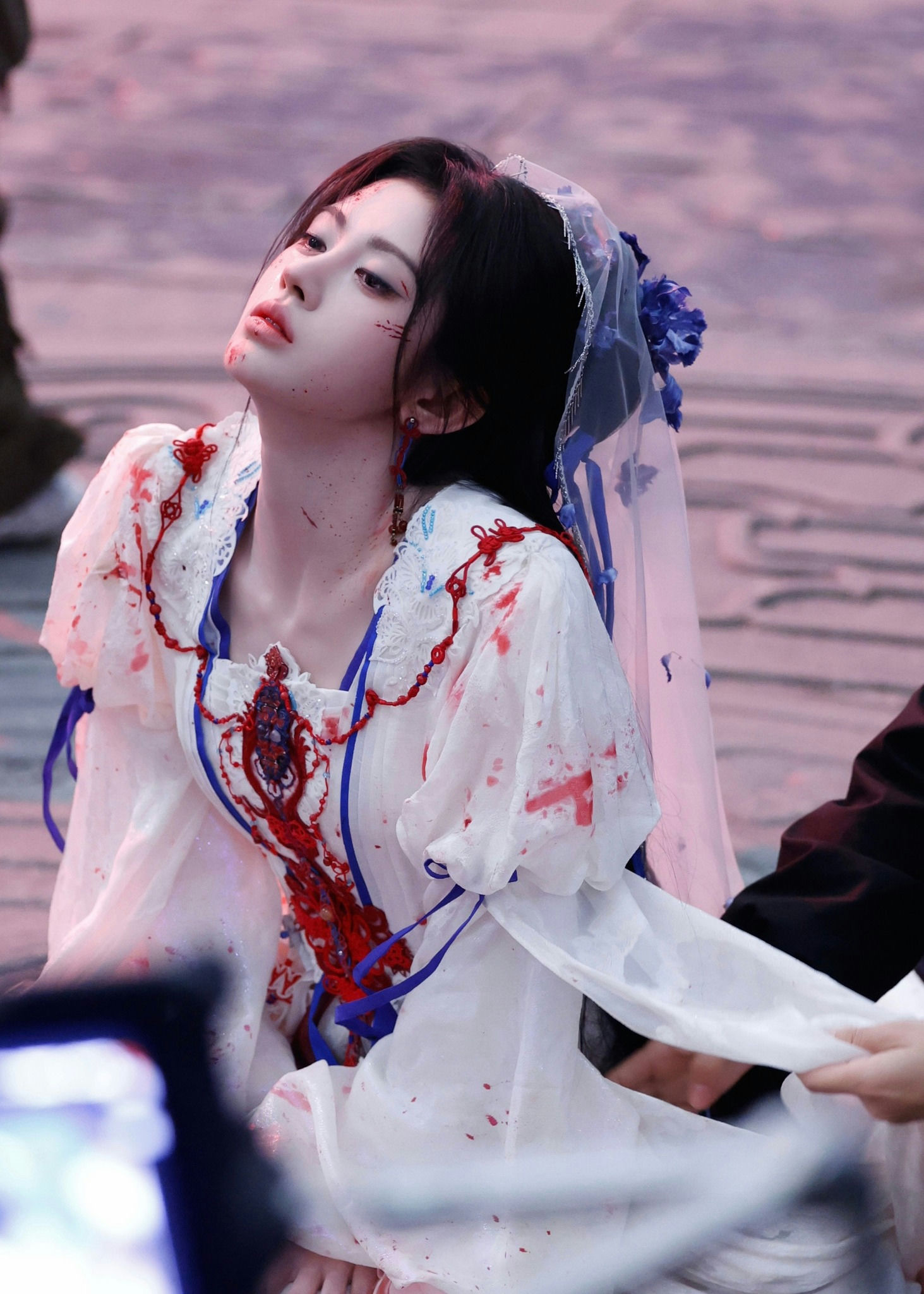
In June 2024, the actress announced that her contract with Siba had expired, officially leaving the agency after a decade. Fans believed this marked the beginning of her independent path, but Siba Media quickly pushed back.
According to Siba, the company signed an exclusive artist contract with Ju Jingyi on August 16, 2013, followed by a supplemental agreement on September 10, 2018. Siba claims the contract grants them exclusive rights to use her name, image, likeness, and voice until August 15, 2033 — a full 20-year term. Although the dispute has been taken to court, authorities stated they could not conclusively verify whether the signatures on the disputed documents belonged to Ju Jingyi.
The situation worsened when Siba sued a magazine that collaborated with Ju Jingyi, demanding all her images be removed and seeking compensation of 300,000 yuan. This marked the beginning of an all-out legal war.

Ju Jingyi has accused Siba Media of contract violations, exploitation, suppression, extremely low pay, and even forging supplemental contracts. Friends and assistants have also alleged that the company abandoned her during a COVID infection and forced artists under its management to participate in inappropriate business entertainment.
Siba Media responded aggressively, accusing Ju Jingyi of betrayal and damaging the company’s reputation. They also disclosed her earnings, claiming she made over 139 million yuan in total, received a fixed monthly salary of 250,000 yuan, lived in a luxury riverside apartment in Shanghai, had luxury car transportation, and enjoyed covered travel and living expenses.

At its most dramatic point, Siba issued what many described as an “ultimatum,” claiming it possesses evidence of Ju Jingyi’s alleged involvement in serious economic crimes and threatening to report her to authorities under her real name. Industry insiders believe that with Siba’s extensive legal experience — having taken more than 20 artists to court over the past decade and winning nearly every case — Ju Jingyi’s chances of a clean victory are slim.
Before Ju Jingyi, Zhao Lusi shocked the industry by openly accusing her agency, Galaxy Cool Entertainment. She alleged that in 2019, a senior executive verbally abused and psychologically tormented her for hours, even using physical force, leaving her emotionally devastated.

Zhao Lusi later published a lengthy exposé accusing the company of oppression, unfair deductions, and threats of blacklisting. The fallout was brutal: her team was dismantled, her activities halted for nearly a year, her Weibo account with 31 million followers was deleted, and she faced massive public scrutiny and boycott calls.
Although Zhao Lusi was later vindicated when evidence suggested that her agency and rivals had spread defamatory rumors, industry insiders say her “victory” came with strings attached. Her contract reportedly remains valid under the parent company until 2030, meaning her freedom is still limited despite management changes.
Zhou Bichang
Singer Zhou Bichang rose to fame after winning the second place at the Chinese singing contest Super Girl in 2005 and signing with Tianyu Media. However, disputes over creative direction and income soon emerged. Reports revealed that Tianyu contracts split profits 70–30 in favor of the company.

After demanding fairer terms and being refused, Zhou Bichang terminated her contract in December 2005 and was ordered to pay 5 million yuan in compensation. Though she managed to move forward, her career suffered a long freeze, and she never fully regained her peak popularity.
Chen Chusheng
Similarly, Chen Chusheng, another talent show winner under Tianyu, faced years of legal battles after seeking to terminate his contract. He was ordered to pay a staggering 38 million yuan and endured three years of lawsuits that drained his finances and stalled his career. Only after mediation by industry giant Huayi Brothers did the dispute finally end — at a tremendous cost.

Michelle Jiang
Born in 1997, actress Michelle Jiang gained popularity through several dramas but endured severe exploitation after signing with Heifang Jinyuan. For the first three years, she received only 10% of her earnings, increasing to just 30% by year seven. After years of work, her total income barely surpassed that of an average office worker.

Financial strain and health issues followed, and when she declined a project due to illness, the company sued her for nearly 6 million yuan. Although the court reduced the compensation to 1.5 million yuan, the burden was still overwhelming. Michelle Jiang ultimately retired from the industry in 2018, leaving fans heartbroken.