



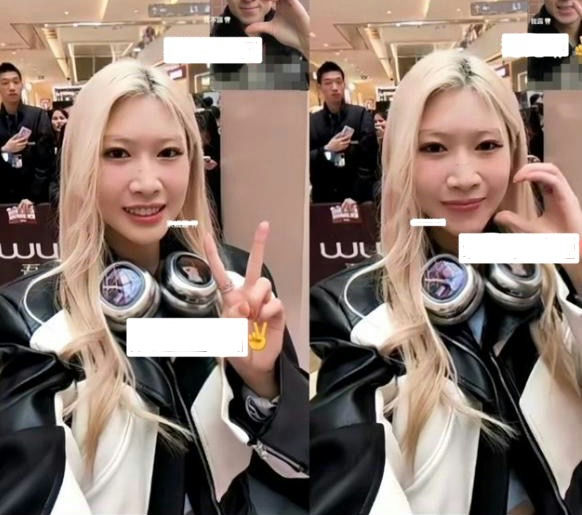
The phenomenon of K-pop impersonators is escalating, with lookalikes, deepfake technology, and AI-generated clones blurring the line between admiration and infringement. These activities are threatening the identity of artists and raising concerns about intellectual property (IP) theft in the entertainment industry.
Rosé Lookalike Controversy in China
At a recent official Blackpink Rosé pop-up store event in Chengdu, China, influencer Daisy who resembles Rosé was invited, sparking controversy. Although Rosé was the star of the event, the host introduced Daisy as if she were the main attraction.


Daisy took photos with fans and even held an impromptu autograph session. Critics pointed out this as “free-riding on the artist’s image,” causing confusion and discomfort among attendees. Daisy claimed she was simply invited by the mall with no financial incentive, but skepticism remained.
Copycat K-Pop Groups
Entire K-pop groups have also been imitated for commercial purposes. In 2022, Chinese group ESO was criticized for copying EXO’s team name and styling. Members even adopted names resembling EXO members, such as Luha for Luhan and Huang Ziqing for Huang Zitao, subtly tweaking the original names.

Despite public backlash, individual imitation persisted, prompting the real Luhan to speak out during a live broadcast last year, questioning the authenticity of fans encountering his impersonators.
AI-Generated “Digital Doppelgängers”
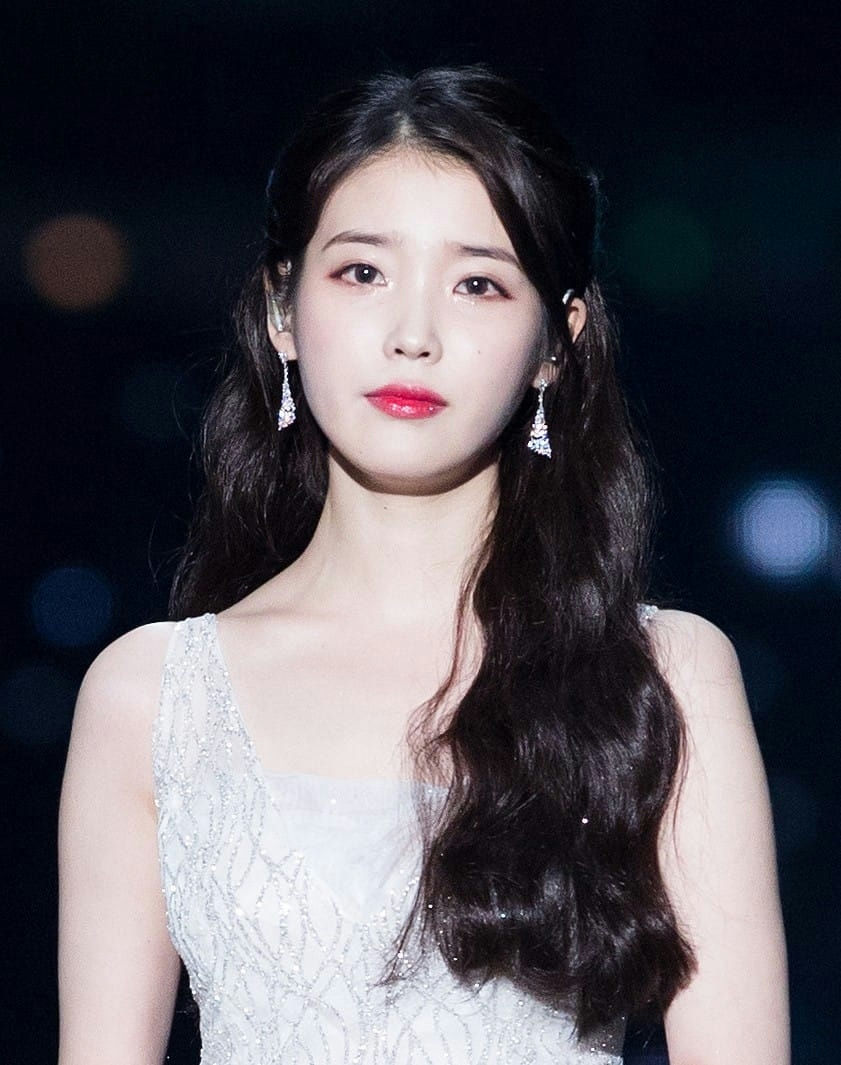

AI technology has enabled the creation of digital clones, such as a Chinese woman who replicated singer IU’s facial features to operate as a beauty creator on platforms like TikTok and Douyin. Known as “Chaiyu” (China + IU), the AI-generated persona deceived followers until filters revealed the artificial face, attracting public criticism.
Hollywood Doppelgängers and Intellectual Property Abuse
Hollywood stars face similar issues. American TikTok star Paige Niemann became Ariana Grande’s doppelgänger, amassing over 10 million followers. Niemann went beyond cosplay, mimicking Grande’s past character lines and styling from films, and even monetized her resemblance on OnlyFans. Fans criticized this as exploiting an artist’s image for profit, crossing the line from admiration to infringement.

While lookalikes and parodies were once harmless fan activities, modern impersonation often leverages an artist’s image for commercial gain. This not only confuses the public but also infringes on K-pop artists’ intellectual property rights, threatening their brand and livelihood.
As the entertainment industry grows, these cases highlight the urgent need for stronger protection against K-pop impersonators and AI clones.
Sources: Tenasia