



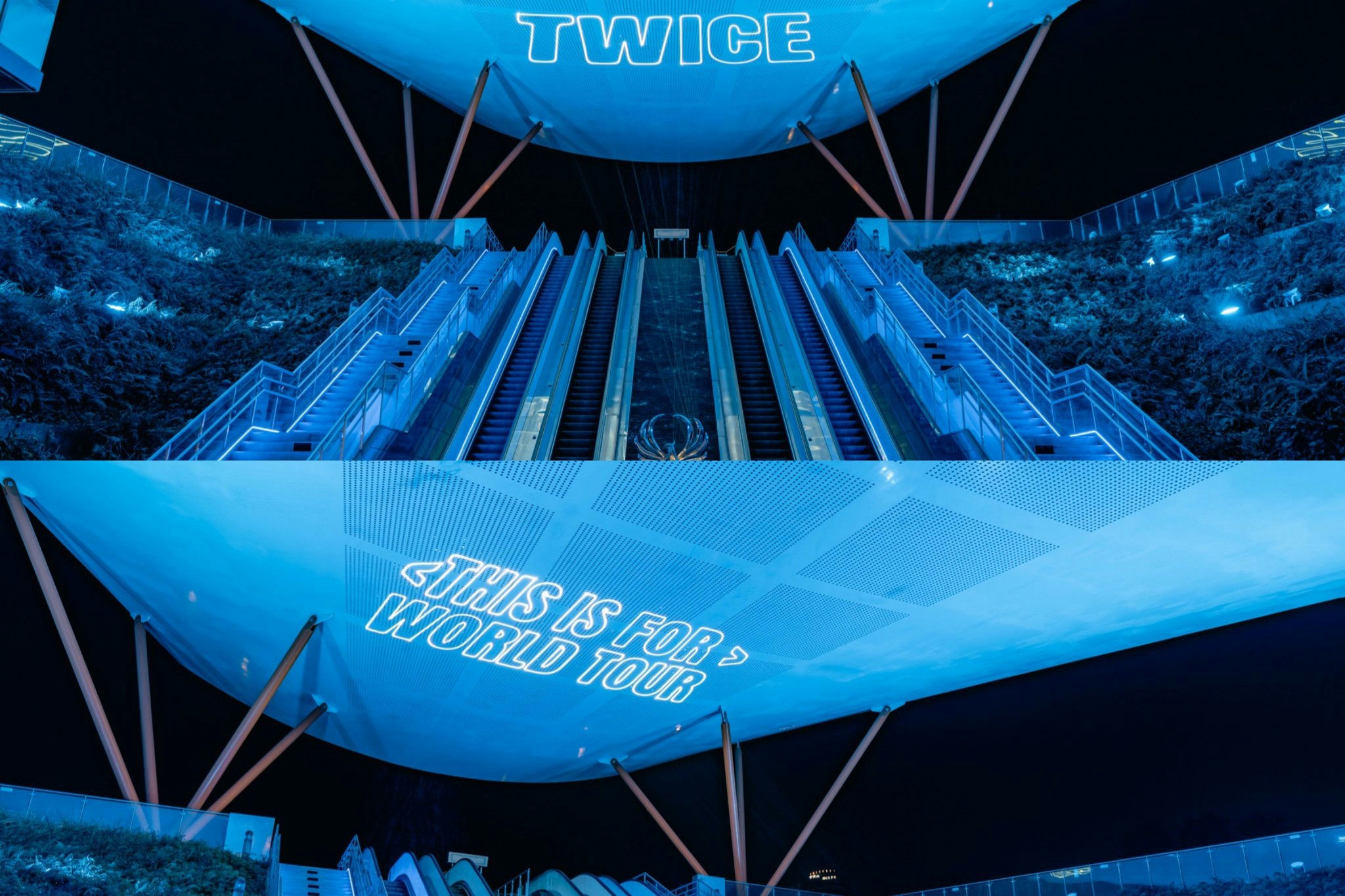
Taiwan’s live music scene is thriving, but the divide between international pop dominance and declining local influence has never been clearer. On November 22, TWICE filled the Kaohsiung World Games Stadium with tens of thousands of young fans, while at the same time, Taipei Dome hosted the seven-hour Folk Song 50 concert for an older audience. The contrast highlighted a deeper cultural question: Where is Taiwanese pop music heading?

TWICE’s Tzuyu , a native of Tainan, delivered an emotional homecoming performance, telling fans in Taiwanese, “I missed you so much.” President Lai Ching-te praised her success as proof that “Taiwanese people have money and leisure.” In reality, the financial pressure on young fans tells another story. With concert tickets often costing several thousand NT dollars, many students rely on parents for allowance, while young workers earning NT$30,000–40,000 a month save for weeks or months just to attend.
For youth, idol worship has profound emotional significance—idols symbolize aspiration, discipline, and sometimes idealized romance. Pop music is the cultural engine behind these fantasies. Yet Taiwan’s long-standing low wages have reduced the number of young people who can partake in these experiences. South Korea, with similar ticket prices, enjoys an average income 1.5 times higher .

Tzuyu’s journey is both inspiring and sobering. She left Taiwan at 13 after being scouted from a street dance video, trained intensely for three years, and debuted with TWICE. Her story is rare—many Taiwanese trainees return home quietly after failing to break through. Two decades ago, liking K-pop invited ridicule; today, K-pop idols dominate the imaginations of Taiwanese youth.
A Stagnant Local Industry
While South Korean pop skyrockets globally, Taiwan’s pop music output has stagnated. No new superstar on the level of Jay Chou, Jolin Tsai, or Mayday has emerged in over 20 years. Taiwan’s annual pop music revenue is around NT$30 billion—ironically the same amount BLACKPINK earned from just one world tour.

Even as Taiwan celebrates the tourism and economic boost from concerts by TWICE and BLACKPINK, the reality is stark: the profits flow abroad, and Taiwan’s own music ecosystem struggles. Without stronger talent development, marketing infrastructure, and international strategy, “the next Tzuyu” will likely continue seeking success overseas.
Two Generations, Two Music Worlds
At Taipei Dome, the Folk Song 50 concert gathered middle-aged and elderly fans who passionately sang classics like “Autumn Cicada” and “Grandma’s Penghu Bay.” Taiwan’s campus folk movement, born in 1975, once encouraged the public to “sing our own songs”—a cultural awakening that shaped Taiwanese identity. But many of those songs might struggle today amid heightened political sensitivities.

The contrast is sharp: the younger generation embraces Korean pop, while older audiences cling to nostalgic Taiwanese hits. The middle ground—new Taiwanese pop—has grown thin.
A Golden Age Long Gone
In the 1970s and 80s, Taiwanese icons such as Teresa Teng and Fong Fei-fei dominated East Asia. Campus folk songs shaped youth ideals and social consciousness. But in the 21st century, Taiwanese listeners increasingly prefer K-pop or older classics, leaving local pop artists with limited room to innovate or expand. Many attempt to build careers in mainland China, only to face political scrutiny upon returning home.
On the surface, Taiwan hosts more concerts than ever before. But underneath the booming ticket sales is an undeniable truth: Taiwanese pop music is stuck in a bottleneck.

The Question for Taiwan’s Future
As the lights dim and the cheering fades, a difficult question remains: How can Taiwan rebuild a thriving pop music ecosystem—one where young people can once again “sing their own songs”?
Until this question is answered, Taiwan will continue enjoying concerts, but not shaping the global music landscape the way it once did.
Sources: Yahoo News