



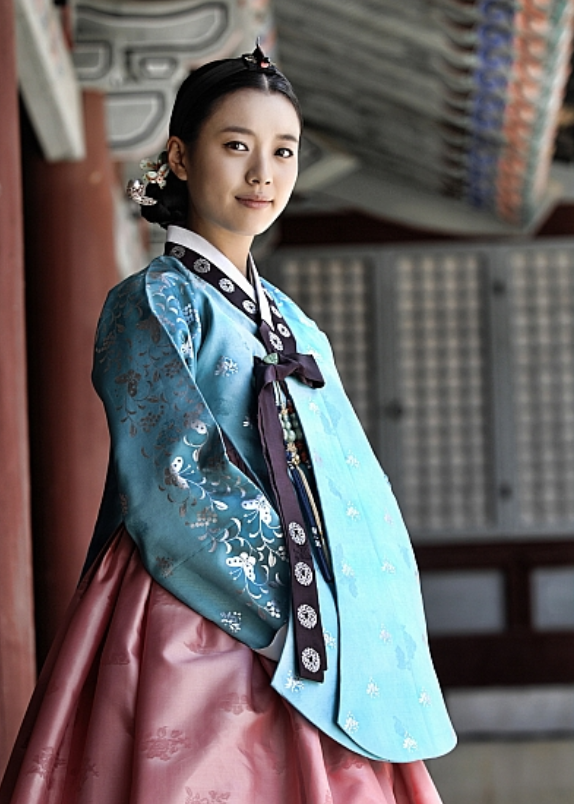
Korean historical dramas have long captivated audiences with their meticulous cinematography, intricate costumes, and emotionally rich storytelling. Beyond their visual splendor, these series weave compelling narratives that blend history, politics, romance, and human resilience. Here are five standout Korean historical dramas that not only dazzle the eyes but also leave a lasting emotional impact.
1. Dong Yi (2010)

Starring Han Hyo-joo and Ji Jin-hee, Dong Yi remains one of the most beloved sageuk (historical drama) masterpieces in Korean television history. Produced to commemorate the 49th anniversary of MBC, the 60-episode series achieved an impressive average rating of 24.5%, peaking at 33.1%.
*The drama centers on the real historical figure Choi Suk-bin, a royal consort of King Sukjong and the mother of King Yeongjo. Though inspired by true events, the series creatively expands Dong Yi’s story, portraying her as intelligent, kind-hearted, and unwaveringly principled. Rising from a lowly palace maid to a trusted royal figure, Dong Yi navigates court conspiracies, poisoning schemes, and fierce power struggles. The sweeping palace sets and elegant hanbok costumes elevate the emotional love story and political intrigue alike.
2. Hwang Jini (2006)

In Hwang Jini, Ha Ji-won delivers a mesmerizing performance as the legendary 16th-century courtesan and artist Hwang Jini. Celebrated for her beauty, talent, and artistic brilliance, Hwang Jini became a cultural icon of the Joseon era.

Born as the illegitimate daughter of a nobleman and a blind gisaeng, Jini faces harsh social prejudice from an early age. Rather than succumbing to her fate, she chooses the path of art, mastering dance and music to become an unparalleled performer. The drama captures not only her journey to artistic greatness but also her tragic first love with nobleman Kim Eun Ho. Lavish costumes, traditional performances, and emotionally charged storytelling make this series a timeless classic.
3. Moon Embracing the Sun (2012)

Often dubbed a “national historical drama,” Moon Embracing the Sun stars Kim Soo-hyun and Han Ga-in in a fantasy-romance epic that moved millions to tears.
The story follows Yeon Woo, a bright and virtuous girl chosen as Crown Princess, who suddenly falls victim to a mysterious illness and is presumed dead before her wedding. Eight years later, she returns as a shaman named Wol, with no memory of her past. Meanwhile, Crown Prince Lee Hwon, scarred by her death, grows into a cold and distant king. Their fateful reunion sparks an investigation into long-buried palace conspiracies and rekindles a love that transcends destiny. With its opulent sets and emotionally intense script, the drama remains one of the defining works of modern sageuk.
4. Under the Queen’s Umbrella (2022)

Breaking away from tragic royal tropes, Under the Queen’s Umbrella offers a refreshing perspective on Joseon royalty. Kim Hye-soo shines as Queen Im Hwa-ryeong a fiery yet devoted mother determined to raise her troublemaking princes into worthy heirs.
The drama balances humor and heartfelt moments as it portrays the Queen’s efforts to protect her children amid palace rivalries. Beneath its vibrant and elegant costume design lies a touching story about motherhood, sacrifice, and resilience. The series proves that historical dramas can evolve beyond traditional narratives while maintaining emotional depth and visual grandeur.
5. The Red Sleeve (2021)

Based on a novel of the same name, The Red Sleeve depicts the poignant romance between King Yi San and court lady Sung Deok Im. Inspired by the real-life story of King Jeongjo, the drama explores a love constrained by royal duty and societal expectations.
The “red sleeve” refers to the red-trimmed cuffs worn by court ladies during the Joseon era, symbolizing their lifelong loyalty and service to the king. This symbolic detail underscores the bittersweet nature of palace love romantic yet bound by sacrifice. With its refined cinematography, elegant hanbok, and emotionally layered performances, the series captures the delicate balance between personal desire and royal responsibility.
Sources: Saostar